
January 2025 • Editorial
Lighting Trends: The 2025 Evolution.
Light is no longer simple illumination. It is the architect of mood, guide of movement, and anchor of human wellness.
01. Fiber Optic Star Ceilings.
The demand for fiber optic star ceilings has surged as architects seek to create truly immersive environments. Unlike traditional lighting, star ceilings transform ordinary rooms into celestial experiences—perfect for home theaters, spas, and luxury lobbies.
Modern fiber systems offer RGBW color mixing, allowing spaces to shift from serene starlight to dynamic displays. Because the fiber strands produce no heat or electricity at the endpoint, they are ideal for moisture-prone areas like pools and saunas.

Why Architects Choose Star Ceilings:
- Zero Maintenance Points: All servicing happens at the illuminator, not the ceiling.
- Design Freedom: Create custom constellations or random realistic star fields.
- Safety: No heat or electricity at fiber endpoints, ideal for wet environments.
- Efficiency: One LED illuminator powers hundreds of light points.
02. Circadian Lighting.
Science confirms that lighting affects sleep, mood, and productivity. Human-centric lighting (HCL) systems automatically adjust color temperature and intensity throughout the day to support natural human rhythms.
In the morning, cooler light energizes the mind. As evening approaches, warmer tones signal the body to wind down. This trend pairs beautifully with star ceilings, where shifting from bright white to warm starlight creates a complete biological experience.

03. Biophilic Design.
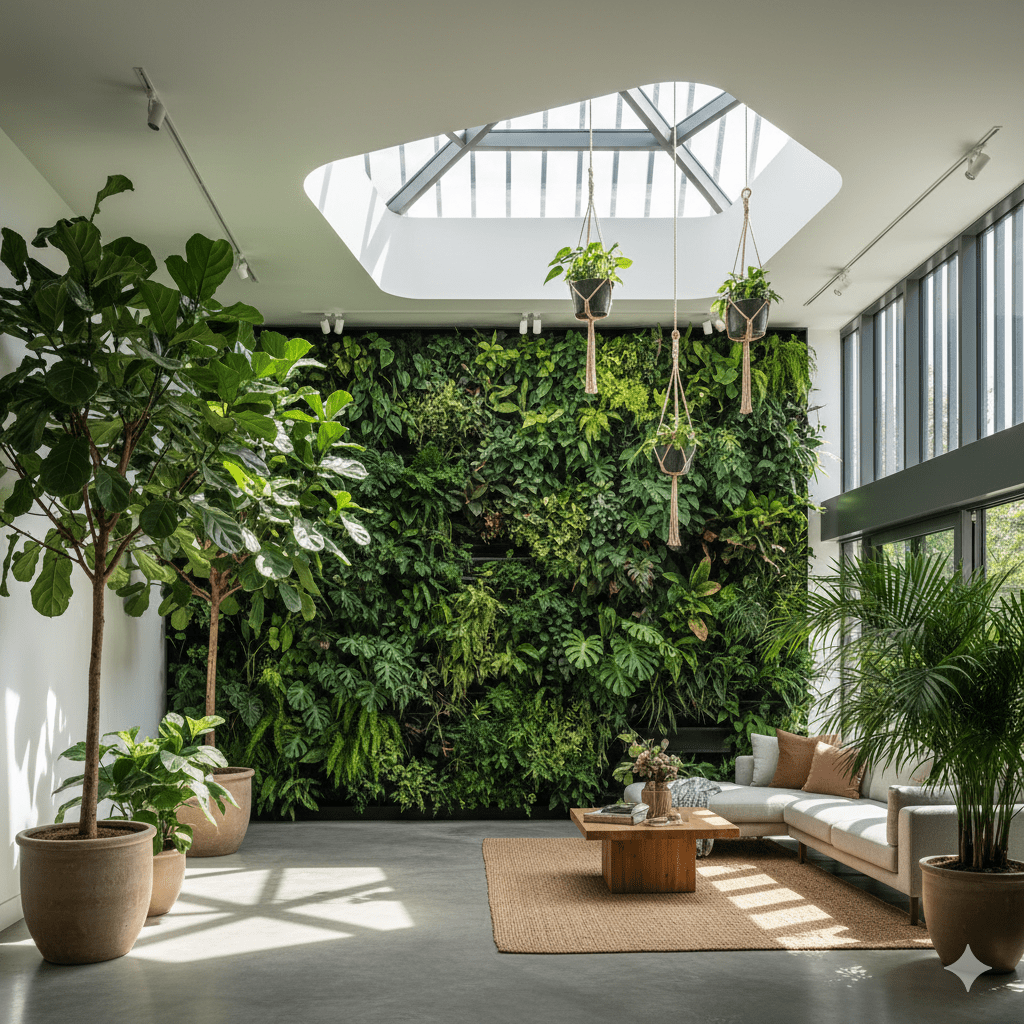
Connecting building occupants with nature has become a cornerstone of modern architecture. Biophilic lighting mimics natural phenomena like dappled sunlight through leaves or the star-filled canopy of a clear night sky.
04. Smart Integration.
Lighting no longer operates in isolation. Modern systems integrate with Building Management Systems (BMS), responding to occupancy sensors, daylight harvesting, and calendar schedules. Scene programming allows for transition from event-ready vibrant displays to relaxation modes.
05. Dramatic Contrast.
The trend toward minimalist, evenly-lit spaces is giving way to dramatic approaches. Architects are embracing contrast—pools of light and shadow that create depth and guide the eye through a space. Layered lighting combines ambient, task, and accent lighting for visual richness.
06. Sustainable Solutions.
Sustainability is now expected. LED technology is the standard, but the push continues toward greater efficiency. Fiber optic systems exemplify this: a single LED illuminator powers hundreds of points, reducing energy consumption and maintenance waste over decades of operation.

Expert Q&A.
Human-centric lighting and immersive features like fiber optic star ceilings lead the way, prioritizing occupant wellbeing and memorable brand experiences.
Costs vary by scale. Commercial T-grid drop-in panels offer a cost-effective entry point, while custom residential installations scale based on ceiling area and star density, ranging from a few hundred to several thousand dollars.
Yes. The strands carry only light—no electricity or heat reaches the ceiling surface, making them ideal for kids' rooms, bedrooms, and pool enclosures.
Absolutely. In commercial spaces, drop-in panels replace standard tiles. For residential, custom installations work with drywall, stretch ceilings, and other materials.
It connects interiors to nature by mimicking natural daylight cycles and organic light patterns, often using star fields to recreate the experience of being outdoors.
Copy Article Link
Link Copied
Instagram Assets
Caption Copied
